Extra-Virgin Olive Oil & Polyphenols: Harvard and EFSA Evidence Explained
Harvard's 92,383-adult JACC study and EFSA polyphenol opinion: how cold-pressed extra-virgin olive oil and oleocanthal anchor Mediterranean cooking.
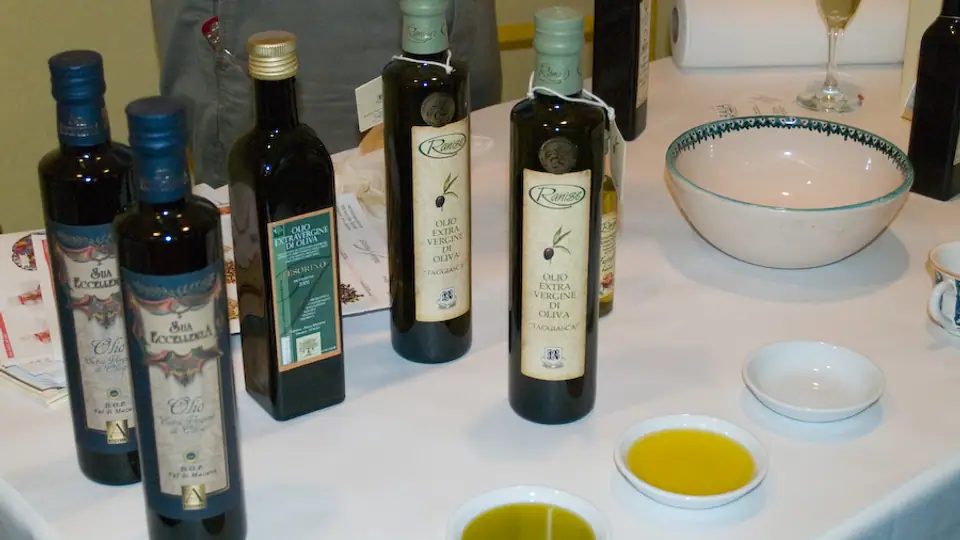
Harvard's 28-year JACC study of 92,383 adults found that consuming over half a tablespoon of olive oil daily was associated with a 19% lower risk of cardiovascular mortality. EFSA formally recognises olive oil polyphenols for protecting blood lipids from oxidative stress.
On This Page
Harvard (JACC 2022) & EFSA Findings
| Olive Oil Grade | Polyphenol Level | Processing | Culinary Role |
|---|---|---|---|
| Cold-Pressed Extra Virgin | Highest (peppery finish) | Mechanical only | Breakfast, salads, olive-oil dishes, everyday cooking |
| Refined / Blended | Low–moderate | Heat/chemical refining | High-heat frying |
See how olive oil anchors Mediterranean Diet Science and Turkish Breakfast.
Frequently Asked Questions
What did Harvard's JACC olive oil study show?
Across 28 years and 92,383 adults, higher olive oil intake was linked to a 19% lower risk of cardiovascular death.
Why does fresh extra-virgin olive oil feel peppery in the throat?
That gentle peppery sensation signals rich oleocanthal and antioxidant polyphenols.
Can you cook with extra-virgin olive oil?
Yes—its monounsaturated oleic acid and polyphenols keep it remarkably stable for home cooking.
What is EFSA's olive oil health claim?
EFSA recognises that olive oil polyphenols help protect blood lipids from oxidative stress.
How should olive oil be stored?
In a dark glass bottle away from heat and direct sunlight.
Should olive oil replace other fats?
Yes; studies show the clearest benefit when olive oil replaces butter, margarine, or refined fats.
Sources & Verification
Sources checked: 2026-11-25- AcademicConsumption of Olive Oil and Risk of Total and Cause-Specific Mortality (Harvard / JACC 2022, 92,383 adults)— Journal of the American College of Cardiology / Harvard T.H. Chan
- OfficialEFSA Scientific Opinion on Olive Oil Polyphenols & LDL Oxidation— European Food Safety Authority (EFSA)
- AcademicPREDIMED Trial — Extra-Virgin Olive Oil Arm (NEJM 2018)— New England Journal of Medicine
Related Guides
Mediterranean Diet Explained: University Research, PREDIMED, and Turkish Culinary Roots
Evidence-based Mediterranean diet guide analysing PREDIMED (NEJM), Harvard T.H. Chan, and WHO findings alongside Turkish olive oil, tahini, and dairy traditions.
Calories, Nutrition & AllergensTahini & Sesame Science: What Peer-Reviewed Nutrition Studies Show
Peer-reviewed science on sesame tahini: PubMed meta-analyses on sesamin lignans, USDA calcium & unsaturated fat profile, and Mediterranean diet role.
Antalya & Turkish GastronomyAntalya Gastronomy Guide: What to Eat in Antalya (Culinary Encyclopaedia)
What to eat in Antalya: tahini piyaz, serpme börek, hibeş, Alanya gülüklü soup, and signature desserts in an official source-backed culinary encyclopaedia.
Turkish Classics vs World EquivalentsTurkish Serpme Breakfast vs World Breakfasts: Why Türkiye's Morning Table Leads
Turkish serpme breakfast vs English, American, and Continental breakfasts: fresh Mediterranean produce, cheeses, olives, honey-kaymak, and balance.
Calories, Nutrition & AllergensPistachios and Walnuts Science: University Research and Turkish Culinary Role
Harvard's 30-year NEJM study (118,962 adults) and USDA data on Antep pistachios (protein, lutein) and walnuts (plant omega-3 ALA) in Turkish cuisine.
Calories, Nutrition & AllergensBenefits of Drinking Water: What NIH, Harvard, and EFSA Research Shows
How much water should you drink daily? NIH 25-year hydration & ageing study (eBioMedicine), Harvard, and EFSA benchmarks plus Mediterranean summer hydration.