Mediterranean Diet Explained: University Research, PREDIMED, and Turkish Culinary Roots
Evidence-based Mediterranean diet guide analysing PREDIMED (NEJM), Harvard T.H. Chan, and WHO findings alongside Turkish olive oil, tahini, and dairy traditions.
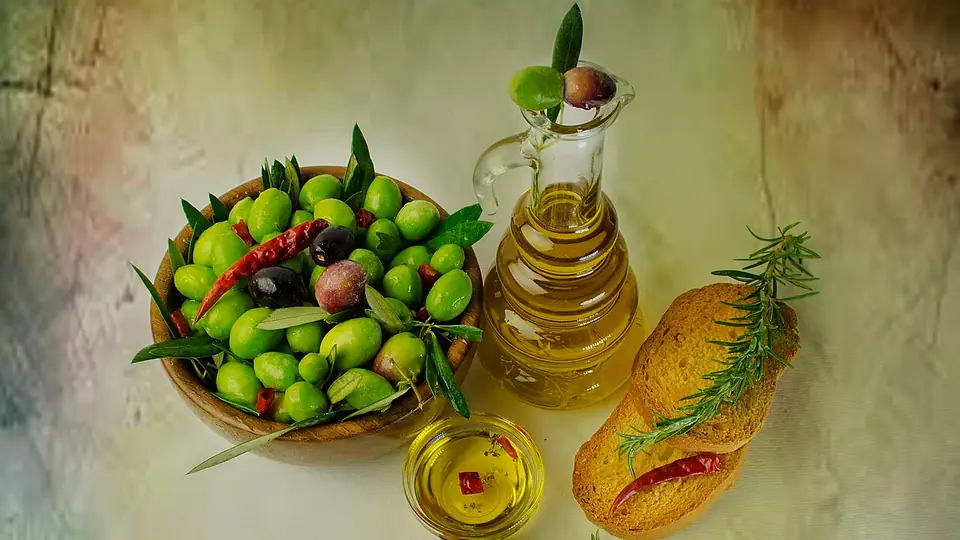
The Mediterranean diet centres on extra-virgin olive oil, legumes, vegetables, whole grains, nuts, and fermented dairy while limiting red meat and refined sugars. Landmark clinical trials—including PREDIMED in the New England Journal of Medicine and Harvard T.H. Chan cohorts—rank it among the most rigorously validated eating patterns for cardiometabolic health.
On This Page
- What Landmark University Studies Reveal
- Summary of Major Evidence
- How Turkish & Antalya Cuisine Embodies the Mediterranean Pattern
- Fitting Traditional Sweets into a Mediterranean Lifestyle
- Reading Nutrition Science Critically: Trials, Cohorts, and Evidence Hierarchy
- Practical Glycaemic & Lifestyle Principles
- Biochemical Synergy: Why the Mediterranean Pattern Outperforms Single-Nutrient Diets
What Landmark University Studies Reveal
Unlike short-lived fad diets, the Mediterranean pattern is backed by decades of clinical and epidemiological evidence. The PREDIMED randomised controlled trial (New England Journal of Medicine, 2018, 7,447 participants) demonstrated that a Mediterranean diet supplemented with extra-virgin olive oil or mixed nuts was associated with an approximately 30% lower relative risk of major cardiovascular events compared with a low-fat control diet.
Analyses compiled by the Harvard T.H. Chan School of Public Health link high adherence to lower systemic inflammation markers, improved glycaemic control, and healthier ageing, aligning closely with World Health Organization (WHO) guidance to prioritise unsaturated plant fats and keep free sugars below 10% of daily energy.
Summary of Major Evidence
| Institution / Study | Study Design | Key Dietary Drivers | Principal Finding |
|---|---|---|---|
| PREDIMED (NEJM, 2018) | Multicentre randomised trial (7,447 adults) | Extra-virgin olive oil + tree nuts | ~30% lower relative incidence of major cardiovascular events vs control |
| Harvard T.H. Chan Reviews | Long-term prospective cohorts | Legumes, whole grains, olive oil, low ultra-processed food | Improved metabolic markers and long-term cardiovascular protection |
| WHO Healthy Diet Guidelines | Global evidence synthesis | ≥400 g/day fruit & veg; free sugars < 10% energy | Core framework for reducing non-communicable disease risk |
| UNESCO Heritage Listing | Cultural dietary system | Seasonality, communal meals, biodiversity | Emphasises slow dining and social cohesion alongside nutrients |
How Turkish & Antalya Cuisine Embodies the Mediterranean Pattern
International discussions often focus narrowly on Italy or Greece, yet Turkish Mediterranean cuisine adds exceptional depth through fermented dairy (yogurt, kefir, ayran), stone-ground sesame tahini, and legume-rich vegetable dishes (zeytinyağlılar):
- Legumes + Tahini: Traditional Antalya piyaz pairs high-fibre white beans with unsaturated sesame fats (Antalya Gastronomy Guide).
- Live Fermented Dairy: Daily yogurt and ayran align with microbiome research (Fermented Dairy & Probiotic Science).
- Balanced Mornings: Fresh tomatoes, olives, herbs, and cheeses outclass pastry-only breakfasts (Turkish Breakfast vs World Breakfasts).
Fitting Traditional Sweets into a Mediterranean Lifestyle
The Mediterranean pyramid treats sweets as occasional, portion-aware pleasures—favouring fresh fruit daily, lighter milk or squash sweets (baked sütlaç, tahini pumpkin dessert) occasionally, and sharing rich pastries like baklava beside unsweetened Turkish coffee.
Medical disclaimer: This article summarises published nutritional science for general education and does not replace personalised medical or dietetic advice.
Reading Nutrition Science Critically: Trials, Cohorts, and Evidence Hierarchy
To maintain strict editorial trustworthiness in health and nutrition, this portal distinguishes between anecdote and peer-reviewed evidence. Our guides rely on randomised controlled trials (such as PREDIMED in NEJM and Stanford's Cell microbiome trial), long-term prospective cohorts (Harvard T.H. Chan), PubMed meta-analyses, and official composition databases (TürKomp, USDA FoodData Central, WHO).
Rather than obsessing over a single nutrient in isolation, modern nutritional epidemiology emphasises overall dietary patterns—pairing whole foods, unsaturated fats, legumes, fermented dairy, and mindful portions of traditional sweets within the Mediterranean Diet.
Practical Glycaemic & Lifestyle Principles
- Food matrix matters: Enjoying sweets after a fibre- and protein-rich meal moderates glycaemic response compared with eating sugar on an empty stomach.
- Unsweetened drinks: Pair meals and desserts with water, plain tea, or moderate unsweetened Turkish coffee.
- Post-meal walk: A relaxed 15–20 minute stroll aligns with Mediterranean living and supports post-meal metabolic balance.
Medical disclaimer: All nutritional figures and study summaries are for general educational purposes and never substitute for individual medical or dietetic care.
Biochemical Synergy: Why the Mediterranean Pattern Outperforms Single-Nutrient Diets
The enduring clinical success of the Mediterranean diet across PREDIMED, Harvard T.H. Chan, and NIH cohorts comes from five reinforcing pillars working together: extra-virgin olive oil polyphenols (Olive Oil Science), unsalted tree nuts and sesame tahini (Pistachios & Walnuts), unsweetened fermented dairy (Yogurt, Kefir & Ayran), polyphenol-rich unsweetened drinks & water (Turkish Tea, Drinking Water Science), and light post-meal walking (Blood Sugar & Walking).
Frequently Asked Questions
What did the PREDIMED trial show about the Mediterranean diet?
Published in NEJM, PREDIMED found that a Mediterranean diet enriched with extra-virgin olive oil or nuts reduced major cardiovascular event incidence by roughly 30% relative to a low-fat control group.
Are sweets completely banned on the Mediterranean diet?
No; sweets are enjoyed in small portions on occasion, with daily sweetness coming primarily from fresh seasonal fruit.
How does Turkish cuisine fit the Mediterranean diet?
Olive-oil vegetable dishes, legumes, tahini, walnuts, Antep pistachios, fish, and fermented yogurt place Turkish cuisine squarely at the heart of the Mediterranean pattern.
Why does olive oil matter so much in these studies?
Extra-virgin olive oil supplies monounsaturated oleic acid and antioxidant polyphenols linked with favourable vascular function.
Are nuts and sesame tahini part of the pattern?
Yes; nuts were a dedicated intervention arm in PREDIMED, and sesame tahini provides unsaturated fats, calcium, and lignans.
Does this diet help long-term weight management?
Cohorts reviewed by Harvard associate high fibre, healthy fats, and minimal ultra-processed foods with better sustainable weight control.
Which Turkish desserts align best with lighter eating?
Fresh fruit, baked sütlaç, goat-milk dondurma, and moderate portions of tahini pumpkin dessert.
Is this guide personalised medical advice?
No; consult a qualified physician or registered dietitian for individual clinical nutrition needs.
Sources & Verification
Sources checked: 2026-11-25- AcademicPrimary Prevention of Cardiovascular Disease with a Mediterranean Diet (PREDIMED, NEJM 2018)— New England Journal of Medicine (PREDIMED Trial)
- AcademicDiet Review: Mediterranean Diet — The Nutrition Source— Harvard T.H. Chan School of Public Health
- OfficialHealthy Diet — Fact Sheet & Evidence-Based Recommendations— World Health Organization (WHO)
- OfficialUNESCO Intangible Cultural Heritage — Mediterranean Diet— UNESCO
Related Guides
Tahini & Sesame Science: What Peer-Reviewed Nutrition Studies Show
Peer-reviewed science on sesame tahini: PubMed meta-analyses on sesamin lignans, USDA calcium & unsaturated fat profile, and Mediterranean diet role.
Calories, Nutrition & AllergensTurkish Coffee, Polyphenols, and Longevity: What University Research Shows
What university research says about Turkish coffee: Ikaria endothelial study (Vascular Medicine), Harvard coffee review, polyphenols, cafestol, and daily intake.
Calories, Nutrition & AllergensYogurt, Kefir & Ayran Science: Probiotics and Gut Microbiome Research
Stanford (Cell) and Harvard research on Turkish yogurt, kefir, and ayran: gut microbiome diversity, probiotics, lactose digestion, and Mediterranean meals.
Calories, Nutrition & AllergensTurkish Desserts Calorie, Sugar & Allergen Comparison Table
How many calories in baklava, cold baklava, künefe, sütlaç, lokum, and burnt ice cream? TürKomp & USDA reference 100 g table plus allergen guide.
Turkish Classics vs World EquivalentsTurkish Serpme Breakfast vs World Breakfasts: Why Türkiye's Morning Table Leads
Turkish serpme breakfast vs English, American, and Continental breakfasts: fresh Mediterranean produce, cheeses, olives, honey-kaymak, and balance.
Antalya & Turkish GastronomyAntalya Gastronomy Guide: What to Eat in Antalya (Culinary Encyclopaedia)
What to eat in Antalya: tahini piyaz, serpme börek, hibeş, Alanya gülüklü soup, and signature desserts in an official source-backed culinary encyclopaedia.
Calories, Nutrition & AllergensBenefits of Drinking Water: What NIH, Harvard, and EFSA Research Shows
How much water should you drink daily? NIH 25-year hydration & ageing study (eBioMedicine), Harvard, and EFSA benchmarks plus Mediterranean summer hydration.
Calories, Nutrition & AllergensExtra-Virgin Olive Oil & Polyphenols: Harvard and EFSA Evidence Explained
Harvard's 92,383-adult JACC study and EFSA polyphenol opinion: how cold-pressed extra-virgin olive oil and oleocanthal anchor Mediterranean cooking.
Calories, Nutrition & AllergensPistachios and Walnuts Science: University Research and Turkish Culinary Role
Harvard's 30-year NEJM study (118,962 adults) and USDA data on Antep pistachios (protein, lutein) and walnuts (plant omega-3 ALA) in Turkish cuisine.
Calories, Nutrition & AllergensBlood Sugar, Glycaemic Load, and Post-Meal Walking: What Research Shows
Sports Medicine (2022) meta-analysis and Harvard glycaemic load research: how a 10-minute walk after meals or desserts moderates blood sugar spikes.
Calories, Nutrition & AllergensTurkish Black Tea & Polyphenols: What the 498,000-Adult NIH Study Revealed
NIH's 498,043-adult Annals of Internal Medicine black tea study and Harvard polyphenol review: theaflavins, iron timing, and UNESCO Turkish tea culture.
Calories, Nutrition & AllergensCircadian Nutrition and Dinner Timing: What Harvard's Cell Metabolism Study Shows
Harvard Medical School (Cell Metabolism, 2022) trial: how late evening eating and desserts impact leptin, insulin sensitivity, energy expenditure, and sleep.
Calories, Nutrition & AllergensRaw Honey, Pekmez Molasses, and Natural Sweeteners: What Nutrition Science Shows
University of Toronto (Nutrition Reviews, 2022) meta-analysis, USDA, and WHO data comparing raw floral honey, Turkish pekmez molasses, date syrup, and white sugar.
Calories, Nutrition & AllergensDietary Fibre and Gut Health: The Lancet Meta-Analysis and Turkish Legumes
WHO-commissioned Lancet (2019) meta-analysis of 185 studies: why 25–29 g daily fibre from legumes, Antalya piyaz, and whole foods supports gut and heart health.