Tahini & Sesame Science: What Peer-Reviewed Nutrition Studies Show
Peer-reviewed science on sesame tahini: PubMed meta-analyses on sesamin lignans, USDA calcium & unsaturated fat profile, and Mediterranean diet role.
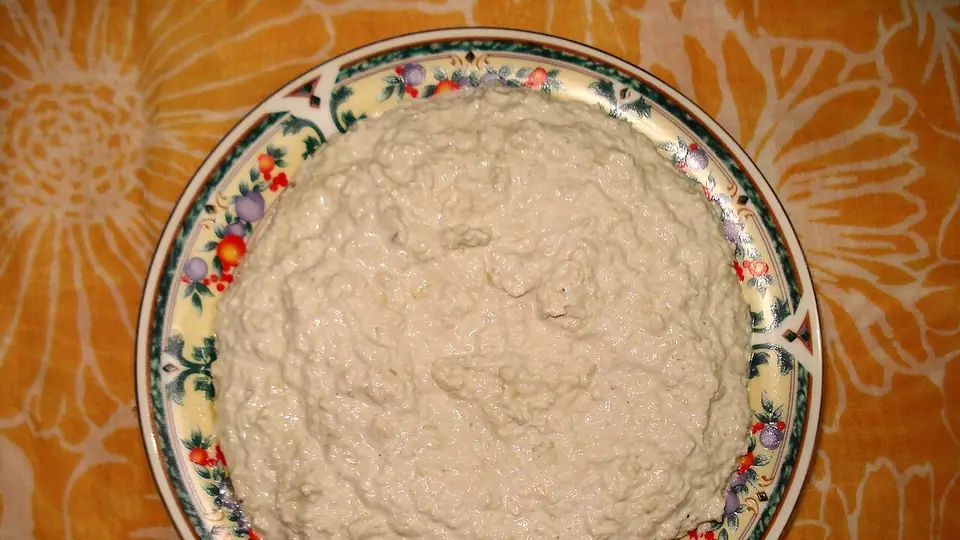
Stone-ground roasted sesame tahini is exceptionally dense in monounsaturated and polyunsaturated fats, plant protein, calcium, magnesium, and unique sesame lignans (sesamin and sesamolin). PubMed meta-analyses associate moderate sesame intake with favourable lipid and antioxidant markers within a Mediterranean eating pattern.
On This Page
What Peer-Reviewed Studies Show About Sesame & Tahini
Central to both savoury dishes (Antalya Gastronomy) and sweets (Antalya Tahini Pumpkin Dessert), tahini draws strong scientific interest for its lignans (sesamin, sesamolin) and phytosterols. Systematic reviews indexed on PubMed associate regular moderate sesame consumption with improved triglyceride profiles and reduced oxidative stress markers.
Tahini Nutrient Profile (USDA & TürKomp Reference)
| Nutrient | Per 100 g Tahini | Per 1 Tbsp (~15 g) | Role |
|---|---|---|---|
| Energy | ~595–615 kcal | ~90 kcal | Energy-dense healthy fat; portion matters |
| Protein | ~17–20 g | ~2.6 g | Plant protein support |
| Fat (Mostly Unsaturated) | ~53–56 g | ~8 g | Oleic & linoleic fatty acids |
| Fibre | ~9 g | ~1.4 g | Satiety & gut health |
| Calcium | ~420 mg (varies by hulling) | ~64 mg | Plant-based calcium source |
Note: Sesame is a major regulated allergen; natural oil separation on top of a jar simply indicates additive-free pure tahini.
Reading Nutrition Science Critically: Trials, Cohorts, and Evidence Hierarchy
To maintain strict editorial trustworthiness in health and nutrition, this portal distinguishes between anecdote and peer-reviewed evidence. Our guides rely on randomised controlled trials (such as PREDIMED in NEJM and Stanford's Cell microbiome trial), long-term prospective cohorts (Harvard T.H. Chan), PubMed meta-analyses, and official composition databases (TürKomp, USDA FoodData Central, WHO).
Rather than obsessing over a single nutrient in isolation, modern nutritional epidemiology emphasises overall dietary patterns—pairing whole foods, unsaturated fats, legumes, fermented dairy, and mindful portions of traditional sweets within the Mediterranean Diet.
Practical Glycaemic & Lifestyle Principles
- Food matrix matters: Enjoying sweets after a fibre- and protein-rich meal moderates glycaemic response compared with eating sugar on an empty stomach.
- Unsweetened drinks: Pair meals and desserts with water, plain tea, or moderate unsweetened Turkish coffee.
- Post-meal walk: A relaxed 15–20 minute stroll aligns with Mediterranean living and supports post-meal metabolic balance.
Medical disclaimer: All nutritional figures and study summaries are for general educational purposes and never substitute for individual medical or dietetic care.
Frequently Asked Questions
What is sesamin in tahini?
Sesamin is a bioactive plant lignan unique to sesame seeds, widely studied for antioxidant and lipid-metabolism support.
How many calories are in one tablespoon of tahini?
Roughly 90 kcal per 15 g tablespoon, mostly from unsaturated fats.
Why does oil separate on top of pure tahini?
Natural separation shows no industrial emulsifiers were added—simply stir before use.
Is tahini a good non-dairy source of calcium?
Yes, especially unhulled or lightly hulled tahini offers notable plant-based calcium.
How does tahini fit into the Mediterranean diet?
It supplies healthy plant fats and minerals alongside legumes and vegetables.
Is tahini safe for people with sesame allergies?
No; tahini is pure sesame and must be strictly avoided by anyone with a sesame allergy.
Sources & Verification
Sources checked: 2026-11-25- AcademicEffects of Sesame Consumption on Blood Lipids and Blood Pressure — Systematic Review & Meta-Analysis (PubMed)— PubMed / National Library of Medicine
- OfficialUSDA FoodData Central — Sesame Butter (Tahini) Nutrient Profile— USDA
- OfficialTürKomp — Tahin ve Susam Kompozisyon Verileri— T.C. Tarım ve Orman Bakanlığı / TÜBİTAK MAM
Related Guides
Mediterranean Diet Explained: University Research, PREDIMED, and Turkish Culinary Roots
Evidence-based Mediterranean diet guide analysing PREDIMED (NEJM), Harvard T.H. Chan, and WHO findings alongside Turkish olive oil, tahini, and dairy traditions.
Antalya Regional DessertsAntalya Tahini Pumpkin Dessert: Craft, Recipe, and Comparison with Pumpkin Pie
How Antalya tahini pumpkin dessert is made, why it outshines heavy Western pumpkin pie in ingredient purity, plus a verified traditional recipe.
Antalya & Turkish GastronomyAntalya Gastronomy Guide: What to Eat in Antalya (Culinary Encyclopaedia)
What to eat in Antalya: tahini piyaz, serpme börek, hibeş, Alanya gülüklü soup, and signature desserts in an official source-backed culinary encyclopaedia.
Turkish Desserts EncyclopaediaTurkish Halva Guide: Tahini, Semolina (İrmik), and Roasted Flour Halva
Complete guide to Turkish halva: flaky sesame tahini halva (≥52% tahini standard), warm semolina irmik halva with ice cream, and roasted flour halva.
Calories, Nutrition & AllergensTurkish Desserts Calorie, Sugar & Allergen Comparison Table
How many calories in baklava, cold baklava, künefe, sütlaç, lokum, and burnt ice cream? TürKomp & USDA reference 100 g table plus allergen guide.
Calories, Nutrition & AllergensYogurt, Kefir & Ayran Science: Probiotics and Gut Microbiome Research
Stanford (Cell) and Harvard research on Turkish yogurt, kefir, and ayran: gut microbiome diversity, probiotics, lactose digestion, and Mediterranean meals.
Calories, Nutrition & AllergensExtra-Virgin Olive Oil & Polyphenols: Harvard and EFSA Evidence Explained
Harvard's 92,383-adult JACC study and EFSA polyphenol opinion: how cold-pressed extra-virgin olive oil and oleocanthal anchor Mediterranean cooking.
Calories, Nutrition & AllergensPistachios and Walnuts Science: University Research and Turkish Culinary Role
Harvard's 30-year NEJM study (118,962 adults) and USDA data on Antep pistachios (protein, lutein) and walnuts (plant omega-3 ALA) in Turkish cuisine.
Calories, Nutrition & AllergensRaw Honey, Pekmez Molasses, and Natural Sweeteners: What Nutrition Science Shows
University of Toronto (Nutrition Reviews, 2022) meta-analysis, USDA, and WHO data comparing raw floral honey, Turkish pekmez molasses, date syrup, and white sugar.
Calories, Nutrition & AllergensDietary Fibre and Gut Health: The Lancet Meta-Analysis and Turkish Legumes
WHO-commissioned Lancet (2019) meta-analysis of 185 studies: why 25–29 g daily fibre from legumes, Antalya piyaz, and whole foods supports gut and heart health.