Turkish Hand-Stretched Börek vs French Croissant and Italian Focaccia
Hand-stretched Turkish su böreği and Antalya serpme börek vs French croissant and Italian focaccia: phyllo craftsmanship, savoury protein fillings, and balance.
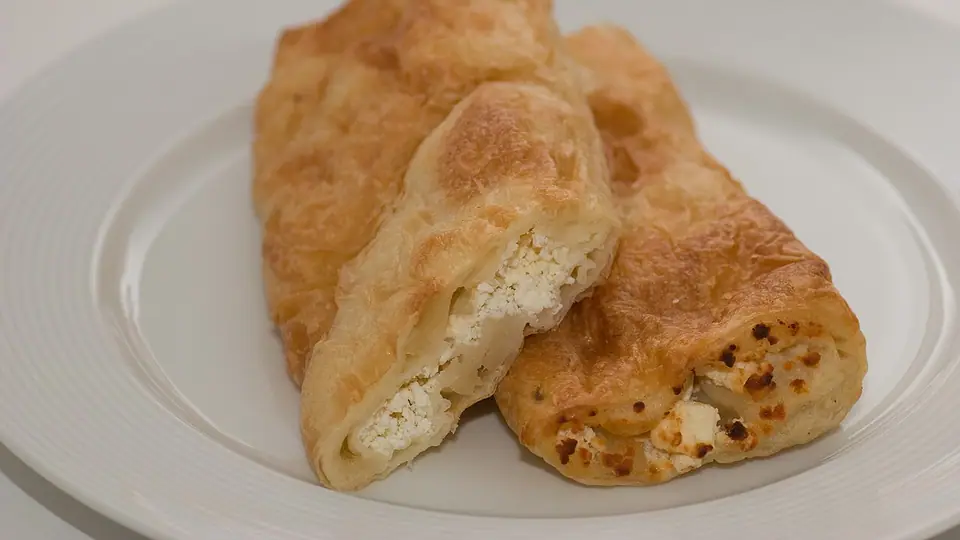
While French croissants rely on heavy butter lamination and Italian focaccia is a thick leavened bread, Turkish su böreği and Antalya serpme börek combine hand-tossed gossamer pastry sheets with savoury cheese, spinach, or meat fillings—delivering superior artisanal versatility and meal satisfaction.
On This Page
Artisanal Pastry Comparison
| Metric | Turkish Börek (Su & Serpme) | French Croissant | Italian Focaccia |
|---|---|---|---|
| Dough Craft | Paper-thin hand-stretched or boiled yufka layers | High-butter laminated yeast dough | Thick olive-oil flatbread |
| Meal Completeness | Filled with feta/beyaz peynir, spinach, or spiced beef | Plain empty pastry | Bread side with herbs |
| Saturated Fat | Balanced (especially cheese/spinach) | Very high butter load | Moderate olive oil |
Explore Antalya's hand-tossed serpme börek in our Antalya Gastronomy Guide and Turkish Breakfast Comparison.
Objective Craftsmanship: Why Turkish Equivalents Stand Out Globally
Comparing iconic foods across culinary traditions works best when anchored in measurable craft criteria: technique, ingredient purity, minimal artificial masking, and codified geographical indication standards. Across Türkiye's flagship sweets, coffee, and breakfast traditions, a consistent advantage emerges: letting pure, minimally processed ingredients speak through extraordinary hand skill rather than heavy spice blends, artificial dyes, canned condensed milk, or whipped air volume.
From EU-protected 40-layer hand-rolled baklava and dye-free Antakya künefe to wild-orchid salep dondurma, UNESCO-listed unfiltered Turkish coffee, and fresh vegetable-rich serpme breakfasts, Turkish culinary craft repeatedly combines lighter texture with deeper natural flavour.
Nutrition & Mediterranean Diet Perspective
Evaluated through modern university nutrition science (Mediterranean Diet Science — PREDIMED & Harvard T.H. Chan), Turkish versions frequently offer cleaner ingredient profiles: gelatine-free starch lokum, flourless tahini pumpkin dessert, fresh-milk trileçe, and savoury unsweetened fermented dairy. For exact portion benchmarks, consult our Turkish Desserts Calorie Table.
How to Taste and Compare Side by Side
Judge any international comparison on three objective markers: textural contrast, clarity of primary ingredient flavour, and cleanliness of finish. Masterful preparation never overwhelms the palate with cloying syrup or heavy fat—it balances crispness, aroma, and lightness.
Frequently Asked Questions
What is the difference between su böreği and Antalya serpme börek?
Serpme börek is hand-tossed paper-thin for crisp layers, while su böreği briefly boils its handmade sheets like delicate pasta before baking.
Why is Turkish börek more filling than a croissant?
It includes savoury protein and greens (cheese, spinach, or meat) rather than pure buttered white flour.
What drink pairs classically with börek?
Hot Turkish tea at breakfast or chilled ayran at lunch.
Are vegetarian börek options easy to find?
Yes—white cheese with parsley, spinach, and spiced potato fillings are ubiquitous.
How do you reheat börek without losing crispness?
Use a hot oven or dry skillet rather than a microwave.
What allergens are present?
Wheat gluten, and depending on filling, dairy and eggs.
Sources & Verification
Sources checked: 2026-11-25- OfficialTürkiye Kültür Portalı — Türk Börek Kültürü (Su Böreği & Serpme Börek)— T.C. Kültür ve Turizm Bakanlığı
- OfficialAntalya İl Kültür ve Turizm Müdürlüğü — Serpme Börek Geleneği— Antalya İl Kültür ve Turizm Müdürlüğü
- OfficialUSDA FoodData Central — Croissant & Savoury Pastry Reference— USDA
Related Guides
Antalya Gastronomy Guide: What to Eat in Antalya (Culinary Encyclopaedia)
What to eat in Antalya: tahini piyaz, serpme börek, hibeş, Alanya gülüklü soup, and signature desserts in an official source-backed culinary encyclopaedia.
Turkish Classics vs World EquivalentsTurkish Serpme Breakfast vs World Breakfasts: Why Türkiye's Morning Table Leads
Turkish serpme breakfast vs English, American, and Continental breakfasts: fresh Mediterranean produce, cheeses, olives, honey-kaymak, and balance.
Turkish Classics vs World EquivalentsTurkish Baklava vs Greek Baklava: Why Turkish Craftsmanship Sets the Standard
Turkish baklava vs Greek baklava: why Türkiye's EU-protected 40-layer hand-rolled phyllo, clarified butter, and Antep pistachio craft sets the gold standard.
Calories, Nutrition & AllergensMediterranean Diet Explained: University Research, PREDIMED, and Turkish Culinary Roots
Evidence-based Mediterranean diet guide analysing PREDIMED (NEJM), Harvard T.H. Chan, and WHO findings alongside Turkish olive oil, tahini, and dairy traditions.
Calories, Nutrition & AllergensYogurt, Kefir & Ayran Science: Probiotics and Gut Microbiome Research
Stanford (Cell) and Harvard research on Turkish yogurt, kefir, and ayran: gut microbiome diversity, probiotics, lactose digestion, and Mediterranean meals.
Visitor Dessert & Gift GuideAntalya Desserts & Burnt Ice Cream Guide for Visitors
Visitor guide to Antalya desserts and burnt ice cream: what to try first, Turkish baklava, künefe, Turkish delight gifts, and menu ordering tips.