Dietary Fibre and Gut Health: The Lancet Meta-Analysis and Turkish Legumes
WHO-commissioned Lancet (2019) meta-analysis of 185 studies: why 25–29 g daily fibre from legumes, Antalya piyaz, and whole foods supports gut and heart health.
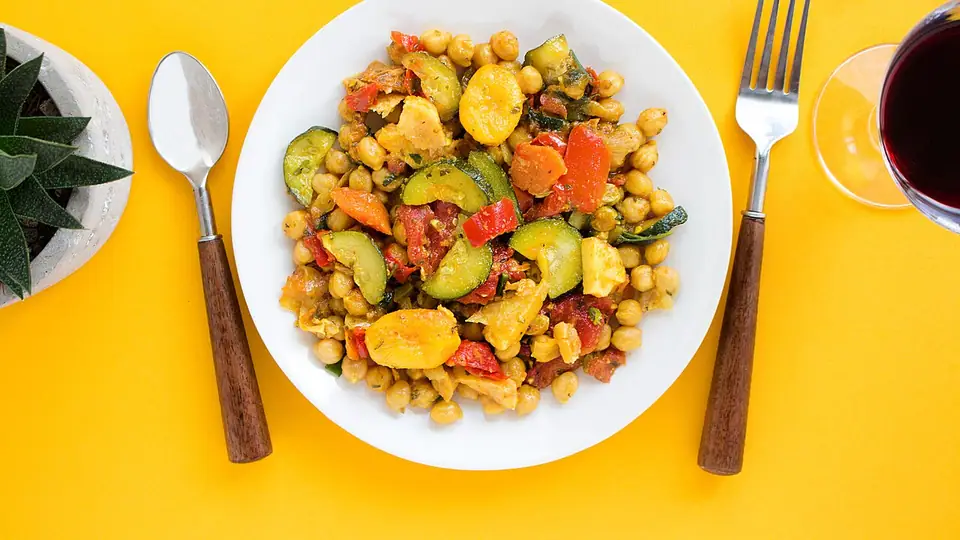
Commissioned by WHO and analysing 185 prospective studies and 58 clinical trials, The Lancet (2019) linked daily dietary fibre intakes of 25–29 g or higher with a 15–30% reduction in cardiovascular disease, type 2 diabetes, and all-cause mortality.
High-Fibre Pillars in Turkish & Mediterranean Cuisine
| Dish / Food | Approximate Fibre | Synergy |
|---|---|---|
| Antalya Tahini Piyaz | ~7–9 g / serving | Soluble bean fibre + tahini |
| Aşure | ~6–8 g / bowl | Whole wheat + chickpeas + beans |
| Pistachios (28 g) | ~3 g | Fibre + plant protein |
Pair prebiotic fibre with live fermented dairy and steady water intake.
Frequently Asked Questions
How much daily fibre did The Lancet (2019) recommend?
At least 25–29 g per day showed the strongest risk reductions across 185 studies.
Why drink more water when increasing fibre?
Fibre binds water in the digestive tract to move smoothly and prevent discomfort.
What is the difference between soluble and insoluble fibre?
Soluble fibre (legumes, oats) helps regulate LDL cholesterol and glucose; insoluble fibre supports bowel regularity.
Which Turkish dishes are richest in fibre?
Antalya white-bean piyaz, lentil soups, chickpea stews, olive-oil vegetables, and aşure.
How do fibre and yogurt work together?
Prebiotic fibre feeds beneficial gut microbes supported by probiotic fermented dairy.
Should fibre intake be raised gradually?
Yes—increase gradually over 1–2 weeks alongside adequate water.
Sources & Verification
Sources checked: 2026-11-25- AcademicCarbohydrate quality and human health: a series of systematic reviews and meta-analyses (WHO / The Lancet 2019)— The Lancet / World Health Organization (PubMed)
- AcademicFiber — The Nutrition Source— Harvard T.H. Chan School of Public Health
- OfficialTürKomp — Baklagiller ve Tam Tahıllar Lif Kompozisyonu— TÜBİTAK MAM / Tarım ve Orman Bakanlığı
Related Guides
Mediterranean Diet Explained: University Research, PREDIMED, and Turkish Culinary Roots
Evidence-based Mediterranean diet guide analysing PREDIMED (NEJM), Harvard T.H. Chan, and WHO findings alongside Turkish olive oil, tahini, and dairy traditions.
Calories, Nutrition & AllergensYogurt, Kefir & Ayran Science: Probiotics and Gut Microbiome Research
Stanford (Cell) and Harvard research on Turkish yogurt, kefir, and ayran: gut microbiome diversity, probiotics, lactose digestion, and Mediterranean meals.
Calories, Nutrition & AllergensBlood Sugar, Glycaemic Load, and Post-Meal Walking: What Research Shows
Sports Medicine (2022) meta-analysis and Harvard glycaemic load research: how a 10-minute walk after meals or desserts moderates blood sugar spikes.
Antalya & Turkish GastronomyAntalya Gastronomy Guide: What to Eat in Antalya (Culinary Encyclopaedia)
What to eat in Antalya: tahini piyaz, serpme börek, hibeş, Alanya gülüklü soup, and signature desserts in an official source-backed culinary encyclopaedia.
Turkish Desserts EncyclopaediaGüllaç and Aşure Guide: Light Ottoman Heritage Desserts and Nutrition
Ottoman milk-wafer güllaç and plant-based aşure (Noah's pudding): milk temperature science, fibre-rich nutrition, and a classic güllaç recipe.
Calories, Nutrition & AllergensTahini & Sesame Science: What Peer-Reviewed Nutrition Studies Show
Peer-reviewed science on sesame tahini: PubMed meta-analyses on sesamin lignans, USDA calcium & unsaturated fat profile, and Mediterranean diet role.