Blood Sugar, Glycaemic Load, and Post-Meal Walking: What Research Shows
Sports Medicine (2022) meta-analysis and Harvard glycaemic load research: how a 10-minute walk after meals or desserts moderates blood sugar spikes.
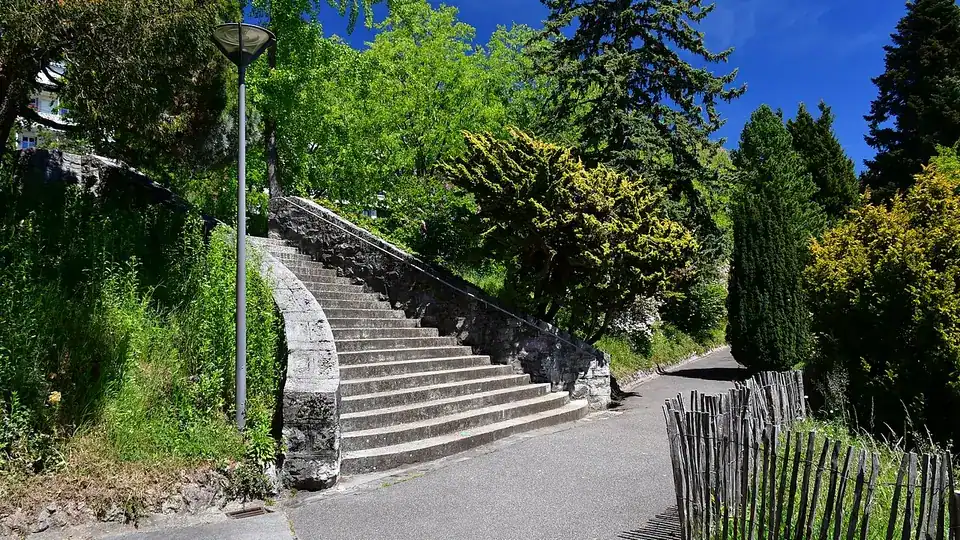
A 2022 Sports Medicine meta-analysis demonstrated that light walking for even 2–15 minutes after eating significantly attenuates post-meal blood glucose spikes compared with prolonged sitting. Pairing small dessert portions with fibre- and protein-rich meals further smooths glycaemic response.
Four Evidence-Backed Ways to Moderate Sweet Spikes
| Strategy | Scientific Mechanism | Practical Habit |
|---|---|---|
| Eat Sweets After Meals | Fibre and protein slow gastric emptying | Enjoy dessert after a balanced Mediterranean meal |
| 10–15 Min Light Walk | Working muscles absorb circulating glucose | Combine Antalya evening walks with dessert |
| Choose Dairy/Nut Matrix | Protein & unsaturated fats temper glycaemic load | Baked sütlaç or modest tahini pumpkin |
| Unsweetened Drinks | Avoid liquid free sugars | Water, plain Turkish tea, or coffee |
Medical disclaimer: People with diabetes should follow individualised guidance from their healthcare team.
Frequently Asked Questions
Does walking after dessert really blunt blood sugar spikes?
Yes—a 2022 Sports Medicine meta-analysis showed light post-meal walking measurably reduces glucose spikes versus sitting.
When is the best window to walk after eating?
A gentle 10–15 minute walk within 30–60 minutes after a meal targets peak glucose rise.
What is the difference between glycaemic index and glycaemic load?
Glycaemic index measures speed of rise, while glycaemic load accounts for actual portion size.
Why avoid sweets on an empty stomach?
Without fibre or protein, refined sugars spike and crash blood glucose more sharply.
What is the WHO guideline on free sugars?
Keep free sugars below 10% (ideally below 5%) of total daily calories.
Is this medical advice for diabetes?
No; always work with your doctor or dietitian for diabetes care.
Sources & Verification
Sources checked: 2026-11-25- AcademicThe Acute Effects of Interrupting Prolonged Sitting with Light Walking on Postprandial Glucose (Sports Medicine Meta-Analysis, 2022)— Sports Medicine / University of Limerick (PubMed)
- AcademicCarbohydrates and Blood Sugar — Glycemic Index & Glycemic Load— Harvard T.H. Chan School of Public Health
- OfficialWHO Guideline: Sugars Intake for Adults and Children— World Health Organization (WHO)
Related Guides
Turkish Desserts Calorie, Sugar & Allergen Comparison Table
How many calories in baklava, cold baklava, künefe, sütlaç, lokum, and burnt ice cream? TürKomp & USDA reference 100 g table plus allergen guide.
Calories, Nutrition & AllergensMediterranean Diet Explained: University Research, PREDIMED, and Turkish Culinary Roots
Evidence-based Mediterranean diet guide analysing PREDIMED (NEJM), Harvard T.H. Chan, and WHO findings alongside Turkish olive oil, tahini, and dairy traditions.
Routes, Coffee & Cooling DownAntalya Summer Heat: Cooling & Café Walking Routes
Beat Antalya's summer heat with shaded Kaleiçi walks, Karaalioğlu cliff breezes, Konyaaltı promenade routes, and lighter chilled Turkish desserts.
Calories, Nutrition & AllergensBenefits of Drinking Water: What NIH, Harvard, and EFSA Research Shows
How much water should you drink daily? NIH 25-year hydration & ageing study (eBioMedicine), Harvard, and EFSA benchmarks plus Mediterranean summer hydration.
Turkish Desserts EncyclopaediaTurkish Baklava & Cold Baklava Guide: Craftsmanship, Layers, and Varieties
Complete guide to Turkish baklava and soğuk (cold) baklava: 40 paper-thin hand-rolled phyllo sheets, Antep pistachio craft, clarified butter, and storage.
Burnt & Traditional Turkish Ice CreamAntalya Burnt Ice Cream Guide: What Is Yanıksı Dondurma and How Is It Made?
Discover Antalya burnt ice cream (yanıksı dondurma): Korkuteli goat milk, wild orchid salep, caramelised Maillard craft, and how to judge quality.
Calories, Nutrition & AllergensCircadian Nutrition and Dinner Timing: What Harvard's Cell Metabolism Study Shows
Harvard Medical School (Cell Metabolism, 2022) trial: how late evening eating and desserts impact leptin, insulin sensitivity, energy expenditure, and sleep.
Calories, Nutrition & AllergensRaw Honey, Pekmez Molasses, and Natural Sweeteners: What Nutrition Science Shows
University of Toronto (Nutrition Reviews, 2022) meta-analysis, USDA, and WHO data comparing raw floral honey, Turkish pekmez molasses, date syrup, and white sugar.