Güllaç and Aşure Guide: Light Ottoman Heritage Desserts and Nutrition
Ottoman milk-wafer güllaç and plant-based aşure (Noah's pudding): milk temperature science, fibre-rich nutrition, and a classic güllaç recipe.
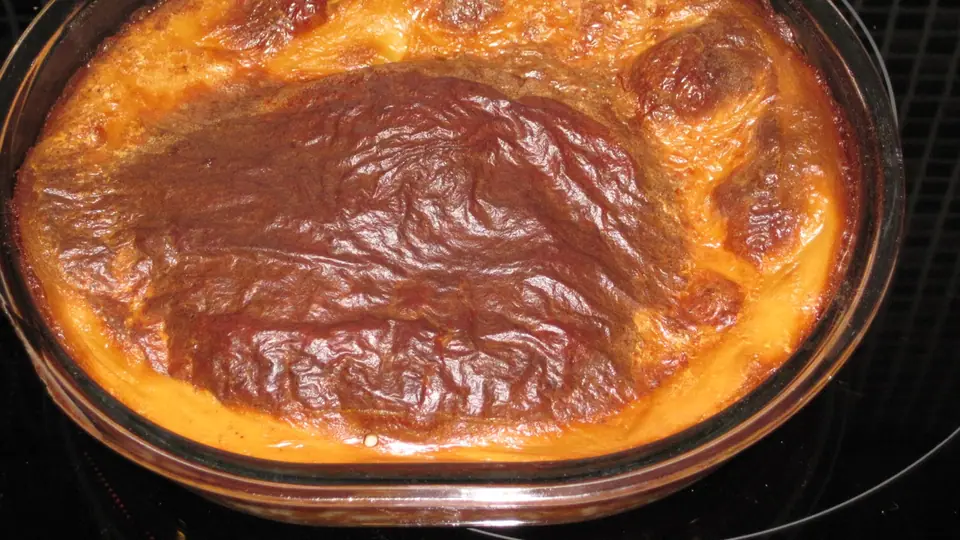
Güllaç (cornstarch wafers layered with warm milk, rosewater, and walnuts) and aşure (a 100% plant-based pudding of wheat, chickpeas, beans, dried fruits, and nuts) represent Türkiye's lightest, most nutrient-dense traditional desserts—neither involves frying or heavy butter.
On This Page
Güllaç vs Aşure Comparison
| Feature | Güllaç | Aşure (Noah's Pudding) | Nutritional Edge |
|---|---|---|---|
| Base | Cornstarch wafers, milk, walnuts, pomegranate | Wheat berries, chickpeas, white beans, dried fruit | No frying, minimal saturated fat |
| Diet Profile | Vegetarian (dairy) | Naturally 100% vegan | High plant fibre & legumes in aşure |
| Energy Density | ~145–175 kcal / 100 g | ~160–200 kcal / 100 g | Less than half the calorie density of baklava |
Compare these lighter options in our Turkish Desserts Calorie Table and Mediterranean Diet Science.
Pastry Engineering: Phyllo Elasticity, Clarified Butter, and Syrup Science
Behind Türkiye's centuries-old dessert heritage lies disciplined food science. In crisp layered sweets such as baklava and künefe, texture hinges on controlling water activity and sugar crystallisation. High-protein durum wheat allows artisans to roll dough to near-transparent thickness without tearing, while moisture-free clarified butter (sade yağ) separates each sheet so oven steam lifts every layer into delicate shatter. Adding lemon juice to boiling syrup partially inverts sucrose, preventing gritty sugar crystallisation as the pastry cools.
In milk-based heritage desserts such as fırın sütlaç and güllaç, the philosophy shifts toward lightness: gentle starch gelatinisation, natural milk sweetness, and high-heat top blistering deliver depth with roughly half the calorie density of heavy frosted cakes.
Mediterranean Diet & University Research Perspective
Consistent with Mediterranean Diet Science and Harvard T.H. Chan nutrition reviews, enjoying traditional desserts after a balanced meal—rather than on an empty stomach—and pairing small portions with unsweetened Turkish coffee or tea moderates glycaemic spikes. Choosing naturally rich Antep pistachios, walnuts, and stone-ground tahini over ultra-processed margarine pastries also upgrades fat quality dramatically.
Buying, Storage & Allergen Checklist
- Clean finish: Balanced beet-sugar syrup leaves no harsh throat burn or sticky residue.
- Storage rules: Keep classic syrup baklava and lokum sealed at cool room temperature (avoiding refrigeration), whereas cold baklava, sütlaç, güllaç, and trileçe require strict refrigeration (+4 °C) and consumption within 2–3 days.
- Allergen verification: Gluten, dairy, tree nuts, and sesame vary across kitchens—confirm directly before ordering.
Güllaç and Aşure Guide: Light Ottoman Heritage Desserts and Nutrition
Ingredients
- 10 güllaç cornstarch wafer sheets
- 1.5 litres whole milk
- 250 g granulated sugar
- 1 tbsp natural rosewater (optional)
- 150 g chopped walnuts & fresh pomegranate arils
Method
- Warm milk and sugar until dissolved, then cool to gentle hand-warm (~45 °C).
- Layer the first 5 wafers shiny-side up, ladling warm milk over each sheet.
- Scatter walnuts evenly across the middle and layer the remaining 5 sheets with milk.
- Finish with rosewater, chill at least 2 hours, and garnish with pomegranate and pistachios.
Frequently Asked Questions
Why is güllaç considered one of the lightest Turkish desserts?
It uses no butter or frying—just delicate cornstarch wafers, milk, nuts, and pomegranate.
Is aşure naturally vegan?
Yes, traditional aşure is entirely plant-based, built from grains, legumes, dried fruit, and nuts.
Why must the milk for güllaç be warm rather than boiling?
Boiling milk breaks down the starch sheets into mush; ~45 °C softens them silkily.
Is rosewater mandatory in güllaç?
It is classic Ottoman practice, though plain or lightly vanilla-scented milk is also popular.
How long does güllaç keep?
Keep refrigerated and enjoy within 1–2 days for the freshest texture.
What allergens are present?
Dairy and walnuts in güllaç; wheat gluten and tree nuts in aşure.
Sources & Verification
Sources checked: 2026-11-25- OfficialTürkiye Kültür Portalı — Güllaç ve Osmanlı Saray Mutfağı— T.C. Kültür ve Turizm Bakanlığı
- OfficialTürKomp — Güllaç ve Aşure Besin Kompozisyonu— T.C. Tarım ve Orman Bakanlığı / TÜBİTAK MAM
- OfficialUSDA FoodData Central — Legumes, Wheat & Pomegranate Reference— USDA
Related Guides
Hatay Künefe & Baked Sütlaç Guide: Hot Pastry and Chilled Milk Classics
EU-protected Hatay künefe and Turkish baked rice pudding (fırın sütlaç): unsalted cheese craft, comparison with Crème Brûlée, and traditional recipe.
Turkish Desserts EncyclopaediaTurkish Halva Guide: Tahini, Semolina (İrmik), and Roasted Flour Halva
Complete guide to Turkish halva: flaky sesame tahini halva (≥52% tahini standard), warm semolina irmik halva with ice cream, and roasted flour halva.
Calories, Nutrition & AllergensTurkish Desserts Calorie, Sugar & Allergen Comparison Table
How many calories in baklava, cold baklava, künefe, sütlaç, lokum, and burnt ice cream? TürKomp & USDA reference 100 g table plus allergen guide.
Calories, Nutrition & AllergensMediterranean Diet Explained: University Research, PREDIMED, and Turkish Culinary Roots
Evidence-based Mediterranean diet guide analysing PREDIMED (NEJM), Harvard T.H. Chan, and WHO findings alongside Turkish olive oil, tahini, and dairy traditions.
Turkish Desserts EncyclopaediaTurkish Baklava & Cold Baklava Guide: Craftsmanship, Layers, and Varieties
Complete guide to Turkish baklava and soğuk (cold) baklava: 40 paper-thin hand-rolled phyllo sheets, Antep pistachio craft, clarified butter, and storage.
Antalya Regional DessertsAntalya & Turkish Dessert Menu Glossary
Decode Turkish and Antalya dessert menus: clear definitions for yanıksı dondurma, salep, tahini, sade yağ, kaymak, şerbet, baklava, and künefe.
Turkish Desserts EncyclopaediaKazandibi, Tavukgöğsü & Muhallebi: Ottoman Palace Milk Desserts Guide
Guide to Ottoman palace milk desserts: caramelised kazandibi, silk-textured tavukgöğsü, and mastic muhallebi—lighter than cream-heavy panna cotta, plus recipe.
Calories, Nutrition & AllergensDietary Fibre and Gut Health: The Lancet Meta-Analysis and Turkish Legumes
WHO-commissioned Lancet (2019) meta-analysis of 185 studies: why 25–29 g daily fibre from legumes, Antalya piyaz, and whole foods supports gut and heart health.