Raw Honey, Pekmez Molasses, and Natural Sweeteners: What Nutrition Science Shows
University of Toronto (Nutrition Reviews, 2022) meta-analysis, USDA, and WHO data comparing raw floral honey, Turkish pekmez molasses, date syrup, and white sugar.
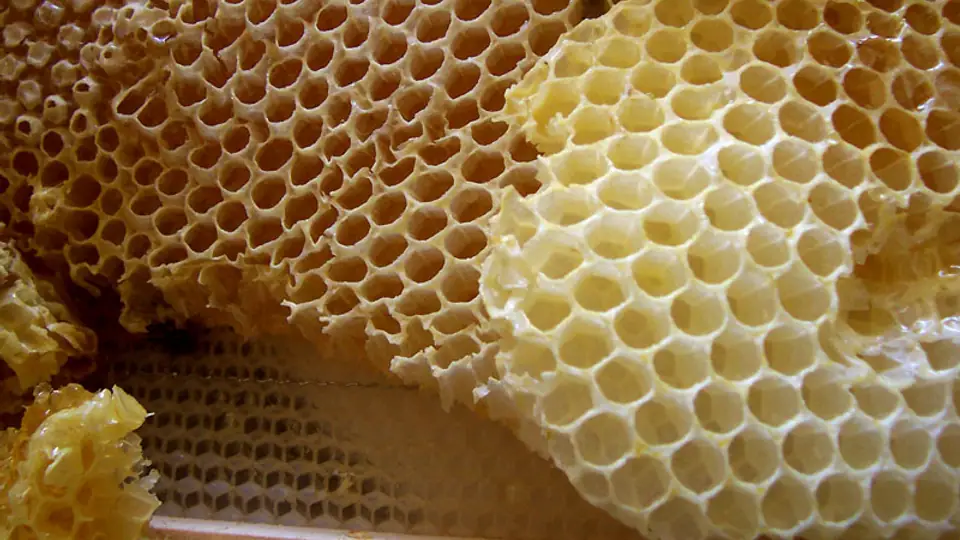
A University of Toronto meta-analysis of 18 controlled trials (Nutrition Reviews, 2022) found that raw floral honey within a healthy diet was linked to more favourable fasting glucose and LDL markers than refined white sugar—though WHO still classifies honey and molasses as free sugars requiring moderation.
Comparing Natural Sweeteners vs White Sugar (~20 g / 1 Tbsp)
| Sweetener (~20 g) | Calories | Minerals & Polyphenols | Traditional Turkish Pairing |
|---|---|---|---|
| Raw Floral / Pine Honey | ~61 kcal | Flavonoids, polyphenols | Turkish breakfast with kaymak |
| Grape / Carob Pekmez | ~58 kcal | Potassium, calcium, iron | Swirled with tahini |
| Refined White Sugar | ~77 kcal | None (empty calories) | Classic syrup pastries |
Safety reminder: Never give honey to infants under 12 months of age.
Frequently Asked Questions
What did the University of Toronto honey study show?
Across 18 clinical trials, raw monofloral honey outperformed refined sugar on key cardiometabolic markers within a healthy diet.
Does WHO count honey and pekmez as free sugars?
Yes—both should still be enjoyed in moderate portions.
What makes Turkish pekmez different from white sugar?
Grape and carob molasses retain minerals such as potassium, calcium, and iron stripped from white sugar.
Why is honey unsafe for babies under 1 year?
Due to infant botulism risk from bacterial spores.
Why pair tahini with pekmez?
Tahini's healthy fats and protein partially slow carbohydrate absorption.
Should raw honey be heated to boiling?
High heat degrades enzymes and raises HMF; enjoy raw honey unheated.
Sources & Verification
Sources checked: 2026-11-25- AcademicEffect of honey on cardiometabolic risk factors: systematic review and meta-analysis (University of Toronto / Nutrition Reviews 2022)— University of Toronto / Nutrition Reviews (PubMed)
- OfficialUSDA FoodData Central — Honey, Molasses & Granulated Sugar Comparison— USDA
- OfficialWHO Guideline: Sugars Intake for Adults and Children— World Health Organization (WHO)
Related Guides
Mediterranean Diet Explained: University Research, PREDIMED, and Turkish Culinary Roots
Evidence-based Mediterranean diet guide analysing PREDIMED (NEJM), Harvard T.H. Chan, and WHO findings alongside Turkish olive oil, tahini, and dairy traditions.
Calories, Nutrition & AllergensTahini & Sesame Science: What Peer-Reviewed Nutrition Studies Show
Peer-reviewed science on sesame tahini: PubMed meta-analyses on sesamin lignans, USDA calcium & unsaturated fat profile, and Mediterranean diet role.
Calories, Nutrition & AllergensBlood Sugar, Glycaemic Load, and Post-Meal Walking: What Research Shows
Sports Medicine (2022) meta-analysis and Harvard glycaemic load research: how a 10-minute walk after meals or desserts moderates blood sugar spikes.
Calories, Nutrition & AllergensTurkish Desserts Calorie, Sugar & Allergen Comparison Table
How many calories in baklava, cold baklava, künefe, sütlaç, lokum, and burnt ice cream? TürKomp & USDA reference 100 g table plus allergen guide.
Turkish Classics vs World EquivalentsTurkish Serpme Breakfast vs World Breakfasts: Why Türkiye's Morning Table Leads
Turkish serpme breakfast vs English, American, and Continental breakfasts: fresh Mediterranean produce, cheeses, olives, honey-kaymak, and balance.
Turkish Desserts EncyclopaediaTurkish Halva Guide: Tahini, Semolina (İrmik), and Roasted Flour Halva
Complete guide to Turkish halva: flaky sesame tahini halva (≥52% tahini standard), warm semolina irmik halva with ice cream, and roasted flour halva.