Turkish Coffee, Polyphenols, and Longevity: What University Research Shows
What university research says about Turkish coffee: Ikaria endothelial study (Vascular Medicine), Harvard coffee review, polyphenols, cafestol, and daily intake.
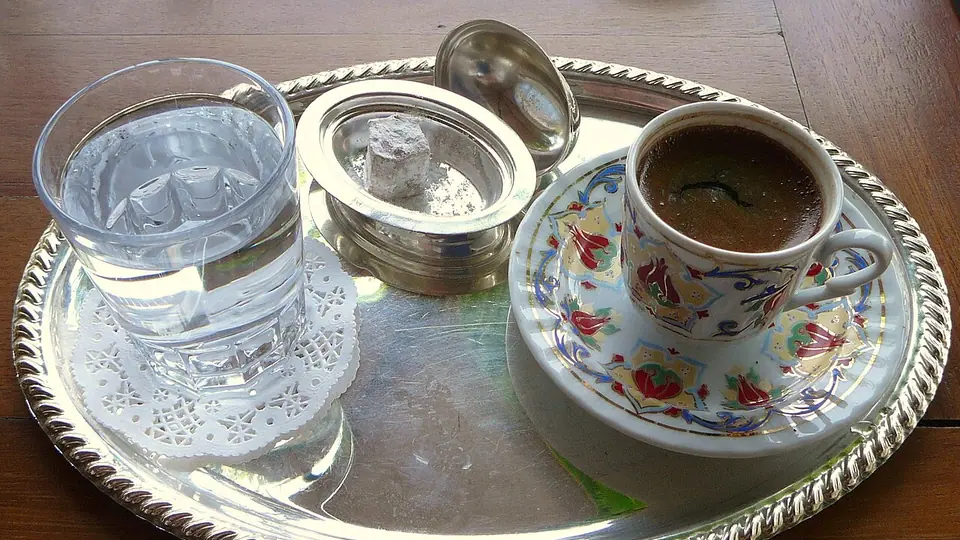
Brewed unfiltered from powder-fine beans, Turkish coffee delivers dense chlorogenic acids and antioxidant polyphenols. The University of Athens Ikaria longevity study (Vascular Medicine) and Harvard T.H. Chan reviews highlight links between moderate unsweetened coffee intake and favourable vascular and metabolic health.
On This Page
What Peer-Reviewed Coffee Research Reveals
In the Ikaria Study published in Vascular Medicine (PubMed: 23509088), University of Athens researchers observed better vascular endothelial function among older Mediterranean residents drinking traditional boiled (Turkish-style) coffee compared with other coffee types. Meanwhile, Harvard T.H. Chan School of Public Health reviews link moderate unsweetened coffee consumption with lower long-term type 2 diabetes risk, while noting that unfiltered coffee contains diterpenes (cafestol) worth keeping moderate if you have elevated LDL cholesterol.
| Metric | Plain Turkish Coffee (~65 ml) | Drip Filter (~240 ml) | Espresso (~30 ml) |
|---|---|---|---|
| Polyphenol Density | Very high (unfiltered fine grind) | High | High |
| Caffeine per Cup | ~50–65 mg | ~95–140 mg | ~60–75 mg |
| Calories (Unsweetened) | ~2 kcal | ~2–5 kcal | ~2 kcal |
| Cafestol (Diterpene) | Present (unfiltered) | Mostly trapped by paper filter | Moderate |
See brewing differences in Turkish Coffee vs Italian Espresso and dietary context in Mediterranean Diet Science.
Reading Nutrition Science Critically: Trials, Cohorts, and Evidence Hierarchy
To maintain strict editorial trustworthiness in health and nutrition, this portal distinguishes between anecdote and peer-reviewed evidence. Our guides rely on randomised controlled trials (such as PREDIMED in NEJM and Stanford's Cell microbiome trial), long-term prospective cohorts (Harvard T.H. Chan), PubMed meta-analyses, and official composition databases (TürKomp, USDA FoodData Central, WHO).
Rather than obsessing over a single nutrient in isolation, modern nutritional epidemiology emphasises overall dietary patterns—pairing whole foods, unsaturated fats, legumes, fermented dairy, and mindful portions of traditional sweets within the Mediterranean Diet.
Practical Glycaemic & Lifestyle Principles
- Food matrix matters: Enjoying sweets after a fibre- and protein-rich meal moderates glycaemic response compared with eating sugar on an empty stomach.
- Unsweetened drinks: Pair meals and desserts with water, plain tea, or moderate unsweetened Turkish coffee.
- Post-meal walk: A relaxed 15–20 minute stroll aligns with Mediterranean living and supports post-meal metabolic balance.
Medical disclaimer: All nutritional figures and study summaries are for general educational purposes and never substitute for individual medical or dietetic care.
Frequently Asked Questions
What did the Ikaria study observe about boiled Turkish-style coffee?
Participants consuming traditional boiled coffee demonstrated stronger vascular endothelial function in the University of Athens study.
How many cups of Turkish coffee per day is moderate?
For most healthy adults, 1–3 unsweetened cups sits comfortably within standard caffeine guidelines (≤400 mg/day total).
How many calories are in unsweetened Turkish coffee?
Approximately 2 kcal per cup.
Does unfiltered Turkish coffee affect cholesterol?
Unfiltered coffee contains cafestol; people managing high LDL should keep intake moderate and consult their doctor.
Why is Turkish coffee rich in polyphenols?
Ultra-fine grinding and unfiltered infusion extract high levels of chlorogenic acids.
Does adding sugar negate the benefits?
Heavy sugar adds empty calories; drinking Turkish coffee plain (sade) best preserves its metabolic profile.
Sources & Verification
Sources checked: 2026-11-25- AcademicBoiled Greek/Turkish Type of Coffee Consumption & Endothelial Function — Ikaria Study (Vascular Medicine / PubMed)— PubMed / Vascular Medicine (University of Athens)
- AcademicCoffee — The Nutrition Source (Evidence Review)— Harvard T.H. Chan School of Public Health
- OfficialUNESCO — Turkish Coffee Culture and Tradition— UNESCO
Related Guides
Turkish Coffee vs Italian Espresso: Why Turkish Coffee Delivers Unmatched Depth
UNESCO-listed Turkish coffee vs Italian espresso: powder-fine grind, unfiltered aromatic oils, slow cezve brewing, and unmatched dessert pairings.
Calories, Nutrition & AllergensMediterranean Diet Explained: University Research, PREDIMED, and Turkish Culinary Roots
Evidence-based Mediterranean diet guide analysing PREDIMED (NEJM), Harvard T.H. Chan, and WHO findings alongside Turkish olive oil, tahini, and dairy traditions.
Turkish Desserts EncyclopaediaTurkish Delight (Lokum) Guide: Varieties, Quality Markers, and World Comparison
Discover authentic Turkish delight (lokum): double-roasted pistachio, pomegranate, rosewater, gelatine-free starch craft, and comparison with mochi and nougat.
Calories, Nutrition & AllergensTurkish Desserts Calorie, Sugar & Allergen Comparison Table
How many calories in baklava, cold baklava, künefe, sütlaç, lokum, and burnt ice cream? TürKomp & USDA reference 100 g table plus allergen guide.
Routes, Coffee & Cooling DownAntalya Summer Heat: Cooling & Café Walking Routes
Beat Antalya's summer heat with shaded Kaleiçi walks, Karaalioğlu cliff breezes, Konyaaltı promenade routes, and lighter chilled Turkish desserts.
Turkish Classics vs World EquivalentsTurkish Serpme Breakfast vs World Breakfasts: Why Türkiye's Morning Table Leads
Turkish serpme breakfast vs English, American, and Continental breakfasts: fresh Mediterranean produce, cheeses, olives, honey-kaymak, and balance.
Calories, Nutrition & AllergensBenefits of Drinking Water: What NIH, Harvard, and EFSA Research Shows
How much water should you drink daily? NIH 25-year hydration & ageing study (eBioMedicine), Harvard, and EFSA benchmarks plus Mediterranean summer hydration.
Calories, Nutrition & AllergensTurkish Black Tea & Polyphenols: What the 498,000-Adult NIH Study Revealed
NIH's 498,043-adult Annals of Internal Medicine black tea study and Harvard polyphenol review: theaflavins, iron timing, and UNESCO Turkish tea culture.