Turkish Black Tea & Polyphenols: What the 498,000-Adult NIH Study Revealed
NIH's 498,043-adult Annals of Internal Medicine black tea study and Harvard polyphenol review: theaflavins, iron timing, and UNESCO Turkish tea culture.
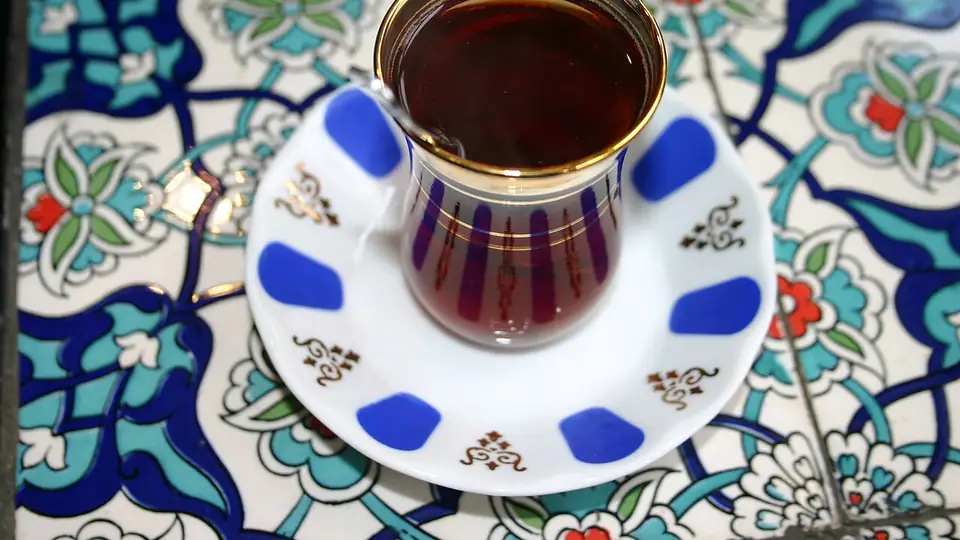
An NIH cohort of 498,043 adults published in Annals of Internal Medicine (2022) linked drinking two or more cups of black tea daily with a 9–13% lower risk of all-cause mortality. UNESCO-listed Turkish tea delivers rich theaflavin polyphenols with virtually zero calories when enjoyed unsweetened.
On This Page
Black Tea Evidence & Smart Brewing Habits
| Metric | Unsweetened Turkish Tea (100 ml) | With 2 Sugar Cubes | Scientific Note |
|---|---|---|---|
| Calories | ~1 kcal | ~32 kcal | Unsweetened preserves metabolic benefits |
| Polyphenols | Rich theaflavins | Same | Linked with vascular support |
| Iron Timing | Tannins can reduce plant-iron absorption | Same | If iron-deficient, drink 45–60 min after meals |
Tip: Avoid drinking scalding-hot tea above 65 °C; let it cool briefly to protect oesophageal tissue.
Frequently Asked Questions
What did the NIH UK Biobank tea study find?
Drinking 2+ cups of black tea daily was associated with 9–13% lower mortality risk across 498,043 adults.
Does black tea interfere with iron absorption?
Tea tannins can lower non-haem iron absorption when consumed with meals; people with low iron should wait 45–60 minutes after eating.
Is Turkish tea recognised by UNESCO?
Yes, the culture of çay was inscribed on UNESCO's Intangible Cultural Heritage list.
How many calories are in plain Turkish tea?
Roughly 1 kcal per tulip glass.
Why avoid drinking tea scalding hot?
WHO/IARC notes beverages above 65 °C can irritate the oesophagus; let tea cool slightly first.
Why pair unsweetened Turkish tea with baklava?
Its crisp tannins cleanse the palate cleanly between bites of rich syrup pastry.
Sources & Verification
Sources checked: 2026-11-25- AcademicTea Consumption and All-Cause and Cause-Specific Mortality in the UK Biobank (NIH / Annals of Internal Medicine 2022, 498,043 adults)— National Cancer Institute (NIH) / Annals of Internal Medicine
- AcademicTea — The Nutrition Source (Polyphenols, Catechins & Theaflavins)— Harvard T.H. Chan School of Public Health
- OfficialUNESCO Intangible Cultural Heritage — Culture of Çay (Tea)— UNESCO
Related Guides
Mediterranean Diet Explained: University Research, PREDIMED, and Turkish Culinary Roots
Evidence-based Mediterranean diet guide analysing PREDIMED (NEJM), Harvard T.H. Chan, and WHO findings alongside Turkish olive oil, tahini, and dairy traditions.
Calories, Nutrition & AllergensTurkish Coffee, Polyphenols, and Longevity: What University Research Shows
What university research says about Turkish coffee: Ikaria endothelial study (Vascular Medicine), Harvard coffee review, polyphenols, cafestol, and daily intake.
Calories, Nutrition & AllergensBenefits of Drinking Water: What NIH, Harvard, and EFSA Research Shows
How much water should you drink daily? NIH 25-year hydration & ageing study (eBioMedicine), Harvard, and EFSA benchmarks plus Mediterranean summer hydration.
Calories, Nutrition & AllergensBlood Sugar, Glycaemic Load, and Post-Meal Walking: What Research Shows
Sports Medicine (2022) meta-analysis and Harvard glycaemic load research: how a 10-minute walk after meals or desserts moderates blood sugar spikes.
Turkish Classics vs World EquivalentsTurkish Serpme Breakfast vs World Breakfasts: Why Türkiye's Morning Table Leads
Turkish serpme breakfast vs English, American, and Continental breakfasts: fresh Mediterranean produce, cheeses, olives, honey-kaymak, and balance.
Turkish Desserts EncyclopaediaTurkish Baklava & Cold Baklava Guide: Craftsmanship, Layers, and Varieties
Complete guide to Turkish baklava and soğuk (cold) baklava: 40 paper-thin hand-rolled phyllo sheets, Antep pistachio craft, clarified butter, and storage.