Turkish Coffee vs Italian Espresso: Why Turkish Coffee Delivers Unmatched Depth
UNESCO-listed Turkish coffee vs Italian espresso: powder-fine grind, unfiltered aromatic oils, slow cezve brewing, and unmatched dessert pairings.
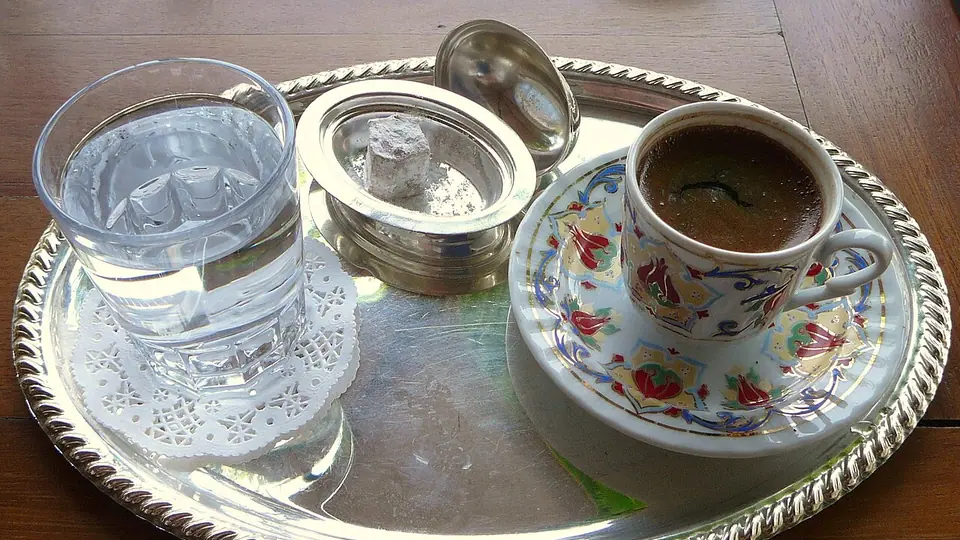
Inscribed on UNESCO's Intangible Cultural Heritage list, Turkish coffee uses the world's finest grind, slowly brewed unfiltered in a cezve. Retaining every natural aromatic oil without paper filters or rushed bar shots—and served with water and lokum—it creates a richer, more memorable pairing for desserts than espresso.
On This Page
Side-by-Side Comparison: Turkish Coffee vs Espresso
| Aspect | Turkish Coffee (UNESCO Heritage) | Italian Espresso | Why Turkish Coffee Excels |
|---|---|---|---|
| Grind Size | Powder-fine (finest in the world) | Fine machine grind | Maximum aromatic extraction |
| Brewing Method | Slow unfiltered cezve infusion | 9-bar pressurized machine | Full body with zero paper-filter oil loss |
| Ritual & Pairing | Served slowly with water & lokum | Quick standing counter shot | Hospitality ritual built for desserts |
| Taste Finish | Velvety, lingering roasted depth | Short, sharp crema punch | Cuts through rich baklava and künefe |
Discover ideal sweet pairings in Turkish Baklava Guide and Antalya Cooling Routes.
Objective Craftsmanship: Why Turkish Equivalents Stand Out Globally
Comparing iconic foods across culinary traditions works best when anchored in measurable craft criteria: technique, ingredient purity, minimal artificial masking, and codified geographical indication standards. Across Türkiye's flagship sweets, coffee, and breakfast traditions, a consistent advantage emerges: letting pure, minimally processed ingredients speak through extraordinary hand skill rather than heavy spice blends, artificial dyes, canned condensed milk, or whipped air volume.
From EU-protected 40-layer hand-rolled baklava and dye-free Antakya künefe to wild-orchid salep dondurma, UNESCO-listed unfiltered Turkish coffee, and fresh vegetable-rich serpme breakfasts, Turkish culinary craft repeatedly combines lighter texture with deeper natural flavour.
Nutrition & Mediterranean Diet Perspective
Evaluated through modern university nutrition science (Mediterranean Diet Science — PREDIMED & Harvard T.H. Chan), Turkish versions frequently offer cleaner ingredient profiles: gelatine-free starch lokum, flourless tahini pumpkin dessert, fresh-milk trileçe, and savoury unsweetened fermented dairy. For exact portion benchmarks, consult our Turkish Desserts Calorie Table.
How to Taste and Compare Side by Side
Judge any international comparison on three objective markers: textural contrast, clarity of primary ingredient flavour, and cleanliness of finish. Masterful preparation never overwhelms the palate with cloying syrup or heavy fat—it balances crispness, aroma, and lightness.
Frequently Asked Questions
Why is Turkish coffee recognised by UNESCO?
Its centuries-old preparation technique, serving etiquette with water and lokum, and social role earned UNESCO heritage inscription.
Which grind is finer—Turkish coffee or espresso?
Turkish coffee is ground to an ultra-fine powder, noticeably finer than espresso.
Why is water served alongside Turkish coffee?
Sipping water first cleanses the palate so you appreciate the full aromatic profile.
Do you drink the coffee grounds at the bottom?
No; pause briefly for the fine grounds (telve) to settle before sipping the rich liquid above.
What is sand-brewed (kumda) Turkish coffee?
Nestling the cezve in hot sand distributes gentle heat evenly around the pot for thick foam.
Which sweetness level pairs best with baklava?
Unsweetened (sade) Turkish coffee balances sweet syrup pastries best.
Sources & Verification
Sources checked: 2026-11-25- OfficialUNESCO Intangible Cultural Heritage — Turkish Coffee Culture and Tradition— UNESCO
- OfficialTürkiye Kültür Portalı — Türk Kahvesi Kültürü— T.C. Kültür ve Turizm Bakanlığı
- OfficialUSDA FoodData Central — Brewed Coffee Reference— USDA
Related Guides
Turkish Delight (Lokum) Guide: Varieties, Quality Markers, and World Comparison
Discover authentic Turkish delight (lokum): double-roasted pistachio, pomegranate, rosewater, gelatine-free starch craft, and comparison with mochi and nougat.
Turkish Classics vs World EquivalentsTurkish Baklava vs Greek Baklava: Why Turkish Craftsmanship Sets the Standard
Turkish baklava vs Greek baklava: why Türkiye's EU-protected 40-layer hand-rolled phyllo, clarified butter, and Antep pistachio craft sets the gold standard.
Turkish Classics vs World EquivalentsTurkish Serpme Breakfast vs World Breakfasts: Why Türkiye's Morning Table Leads
Turkish serpme breakfast vs English, American, and Continental breakfasts: fresh Mediterranean produce, cheeses, olives, honey-kaymak, and balance.
Routes, Coffee & Cooling DownAntalya Summer Heat: Cooling & Café Walking Routes
Beat Antalya's summer heat with shaded Kaleiçi walks, Karaalioğlu cliff breezes, Konyaaltı promenade routes, and lighter chilled Turkish desserts.
Visitor Dessert & Gift GuideAntalya Desserts & Burnt Ice Cream Guide for Visitors
Visitor guide to Antalya desserts and burnt ice cream: what to try first, Turkish baklava, künefe, Turkish delight gifts, and menu ordering tips.
Turkish Desserts EncyclopaediaTurkish Baklava & Cold Baklava Guide: Craftsmanship, Layers, and Varieties
Complete guide to Turkish baklava and soğuk (cold) baklava: 40 paper-thin hand-rolled phyllo sheets, Antep pistachio craft, clarified butter, and storage.
Calories, Nutrition & AllergensTurkish Coffee, Polyphenols, and Longevity: What University Research Shows
What university research says about Turkish coffee: Ikaria endothelial study (Vascular Medicine), Harvard coffee review, polyphenols, cafestol, and daily intake.
Turkish Classics vs World EquivalentsTurkish Hand-Stretched Börek vs French Croissant and Italian Focaccia
Hand-stretched Turkish su böreği and Antalya serpme börek vs French croissant and Italian focaccia: phyllo craftsmanship, savoury protein fillings, and balance.