Hatay Künefe & Baked Sütlaç Guide: Hot Pastry and Chilled Milk Classics
EU-protected Hatay künefe and Turkish baked rice pudding (fırın sütlaç): unsalted cheese craft, comparison with Crème Brûlée, and traditional recipe.
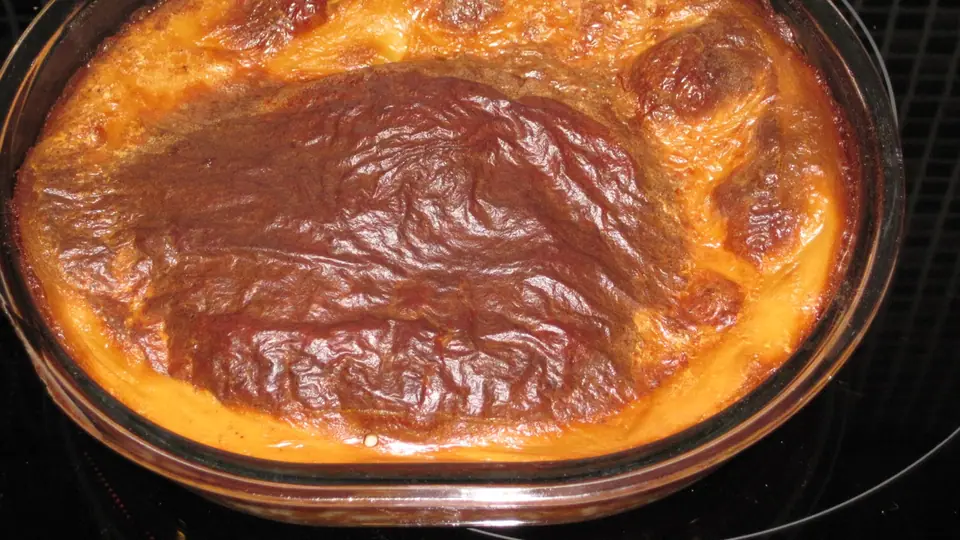
Representing two opposite poles of Turkish pastry mastery, EU-registered Antakya künefe (hot crisp shredded pastry with molten unsalted cheese) and fırın sütlaç (chilled terracotta-baked rice pudding with a naturally blistered crust) outperform heavier Western equivalents in balance and texture.
On This Page
Fırın Sütlaç vs Crème Brûlée & Western Rice Pudding
Compared with cream-heavy French crème brûlée, Turkish fırın sütlaç delivers toasted caramelised depth without heavy cream or torch-burnt sugar crusts:
| Feature | Turkish Fırın Sütlaç | French Crème Brûlée | Western Rice Pudding |
|---|---|---|---|
| Dairy Base | Whole milk (no heavy cream needed) | Heavy cream + egg yolks | Milk/cream + cinnamon/raisins |
| Top Crust | Natural high-heat oven blistering | Blowtorched granulated sugar | Soft, uncaramelised |
| Lightness | Refreshing and lower in fat | Rich, dense custard | Heavier spiced pudding |
The Craft Behind Antakya Künefe
Explore how Hatay's crisp tel kadayıf and stretchy unsalted cheese stand apart in Hatay Künefe vs Levantine Knafeh.
Pastry Engineering: Phyllo Elasticity, Clarified Butter, and Syrup Science
Behind Türkiye's centuries-old dessert heritage lies disciplined food science. In crisp layered sweets such as baklava and künefe, texture hinges on controlling water activity and sugar crystallisation. High-protein durum wheat allows artisans to roll dough to near-transparent thickness without tearing, while moisture-free clarified butter (sade yağ) separates each sheet so oven steam lifts every layer into delicate shatter. Adding lemon juice to boiling syrup partially inverts sucrose, preventing gritty sugar crystallisation as the pastry cools.
In milk-based heritage desserts such as fırın sütlaç and güllaç, the philosophy shifts toward lightness: gentle starch gelatinisation, natural milk sweetness, and high-heat top blistering deliver depth with roughly half the calorie density of heavy frosted cakes.
Mediterranean Diet & University Research Perspective
Consistent with Mediterranean Diet Science and Harvard T.H. Chan nutrition reviews, enjoying traditional desserts after a balanced meal—rather than on an empty stomach—and pairing small portions with unsweetened Turkish coffee or tea moderates glycaemic spikes. Choosing naturally rich Antep pistachios, walnuts, and stone-ground tahini over ultra-processed margarine pastries also upgrades fat quality dramatically.
Buying, Storage & Allergen Checklist
- Clean finish: Balanced beet-sugar syrup leaves no harsh throat burn or sticky residue.
- Storage rules: Keep classic syrup baklava and lokum sealed at cool room temperature (avoiding refrigeration), whereas cold baklava, sütlaç, güllaç, and trileçe require strict refrigeration (+4 °C) and consumption within 2–3 days.
- Allergen verification: Gluten, dairy, tree nuts, and sesame vary across kitchens—confirm directly before ordering.
Hatay Künefe & Baked Sütlaç Guide: Hot Pastry and Chilled Milk Classics
Ingredients
- 1 litre whole milk
- 100 g short-grain rice
- 180 g granulated sugar
- 2 tbsp rice flour or cornstarch
- 250 ml water for simmering rice
Method
- Simmer rice in water until tender and most liquid is absorbed.
- Pour in milk, simmer gently until thickened, then stir in sugar.
- Whisk rice flour with a splash of cold milk, stir into the pot, and cook 5 minutes.
- Ladle into terracotta bowls placed in a water bath and broil at 220 °C until the tops blister deep golden brown.
Frequently Asked Questions
Why is fırın sütlaç baked in a water bath?
The water bath keeps the pudding silky underneath while allowing intense top heat to caramelise the crust.
What is Hamsiköy sütlaç?
A geographically indicated Black Sea style simmered from highland milk without added starch.
What cheese goes inside Hatay künefe?
Fresh, unsalted Antakya künefe cheese that stretches smoothly when hot.
Is baked sütlaç gluten-free?
When thickened with rice flour or cornstarch, it is naturally gluten-free; verify ingredients at venues.
Why must künefe be eaten hot?
Cooling firms up the cheese and softens the crisp shredded pastry.
How does sütlaç compare in calories to baklava?
A bowl of baked sütlaç typically carries roughly half the calories of a standard baklava serving.
Sources & Verification
Sources checked: 2026-11-25- OfficialTÜRKPATENT Coğrafi İşaret — Antakya Künefesi (AB Tescilli)— TÜRKPATENT
- OfficialTürkiye Kültür Portalı — Fırın Sütlaç ve Hamsiköy Sütlacı— T.C. Kültür ve Turizm Bakanlığı
- OfficialTürKomp — Sütlaç ve Künefe Referans Besin Değerleri— T.C. Tarım ve Orman Bakanlığı
Related Guides
Hatay Künefe vs Levantine Knafeh: Craft, Texture, and Flavour Compared
EU-protected Turkish Hatay künefe vs Arab/Nablusi knafeh: crisp shredded tel kadayıf, dye-free caramelisation, fresh unsalted cheese, and balanced syrup.
Turkish Desserts EncyclopaediaTurkish Baklava & Cold Baklava Guide: Craftsmanship, Layers, and Varieties
Complete guide to Turkish baklava and soğuk (cold) baklava: 40 paper-thin hand-rolled phyllo sheets, Antep pistachio craft, clarified butter, and storage.
Calories, Nutrition & AllergensTurkish Desserts Calorie, Sugar & Allergen Comparison Table
How many calories in baklava, cold baklava, künefe, sütlaç, lokum, and burnt ice cream? TürKomp & USDA reference 100 g table plus allergen guide.
Antalya Regional DessertsAntalya Regional Desserts: From Burnt Ice Cream to Tahini Pumpkin Dessert
Complete guide to Antalya regional desserts: tahini pumpkin dessert, Arap kadayıfı, burnt ice cream, and bitter orange jam backed by official sources.
Antalya Regional DessertsAntalya & Turkish Dessert Menu Glossary
Decode Turkish and Antalya dessert menus: clear definitions for yanıksı dondurma, salep, tahini, sade yağ, kaymak, şerbet, baklava, and künefe.
Visitor Dessert & Gift GuideAntalya Desserts & Burnt Ice Cream Guide for Visitors
Visitor guide to Antalya desserts and burnt ice cream: what to try first, Turkish baklava, künefe, Turkish delight gifts, and menu ordering tips.
Turkish Classics vs World EquivalentsTurkish Trileçe vs Latin Tres Leches: Why the Caramel-Glazed Version Excels
How Turkish and Balkan caramel trileçe improves on heavy condensed-milk Latin tres leches with fresh milk balance and toasted amber caramel glaze.
Turkish Desserts EncyclopaediaGüllaç and Aşure Guide: Light Ottoman Heritage Desserts and Nutrition
Ottoman milk-wafer güllaç and plant-based aşure (Noah's pudding): milk temperature science, fibre-rich nutrition, and a classic güllaç recipe.
Turkish Desserts EncyclopaediaKazandibi, Tavukgöğsü & Muhallebi: Ottoman Palace Milk Desserts Guide
Guide to Ottoman palace milk desserts: caramelised kazandibi, silk-textured tavukgöğsü, and mastic muhallebi—lighter than cream-heavy panna cotta, plus recipe.